Peppermint leaf
Mentha x piperita L.
In the reviewed guides
BloatingTraditionally used for gas (flatulence) and mild indigestion, which can come with bloating.
Traditional use
This finding belongs to the form and concern described above.
An herb isn’t just an herb. Preparation, use, and what was studied shape the evidence. Remedary helps you connect the research to the form and use it actually covers.
Plants deserve a closer look.
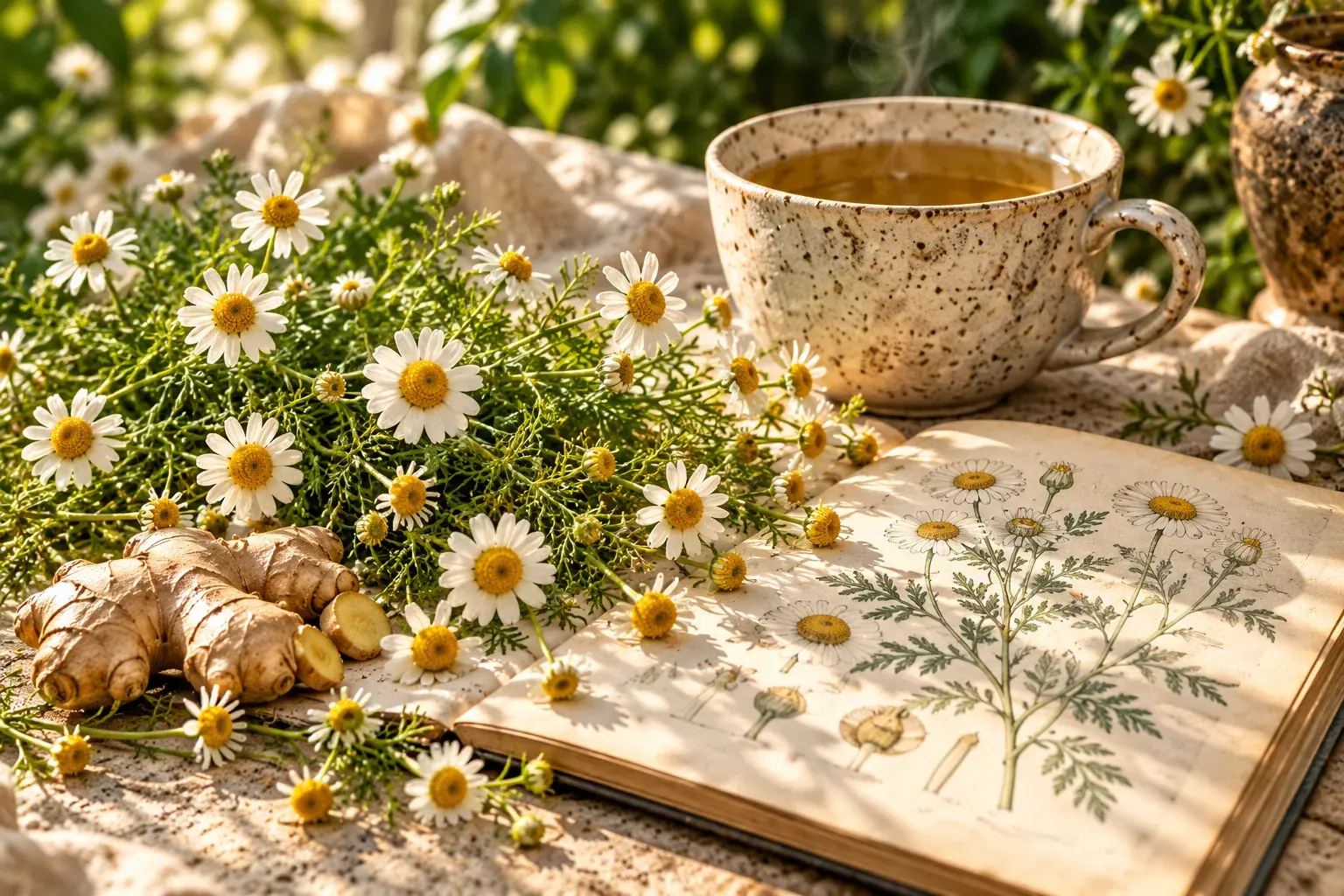
A closer look
How it’s prepared
changes everything.
Peppermint shows why preparation matters. For IBS, different forms of the same plant don’t carry the same evidence. Here’s what changes when we look closer.
Explore the peppermint storyMentha × piperita
A widely used herb with a long history in traditional medicine. Modern research shows that the effects depend on how it’s prepared and how it’s used.
Explore preparations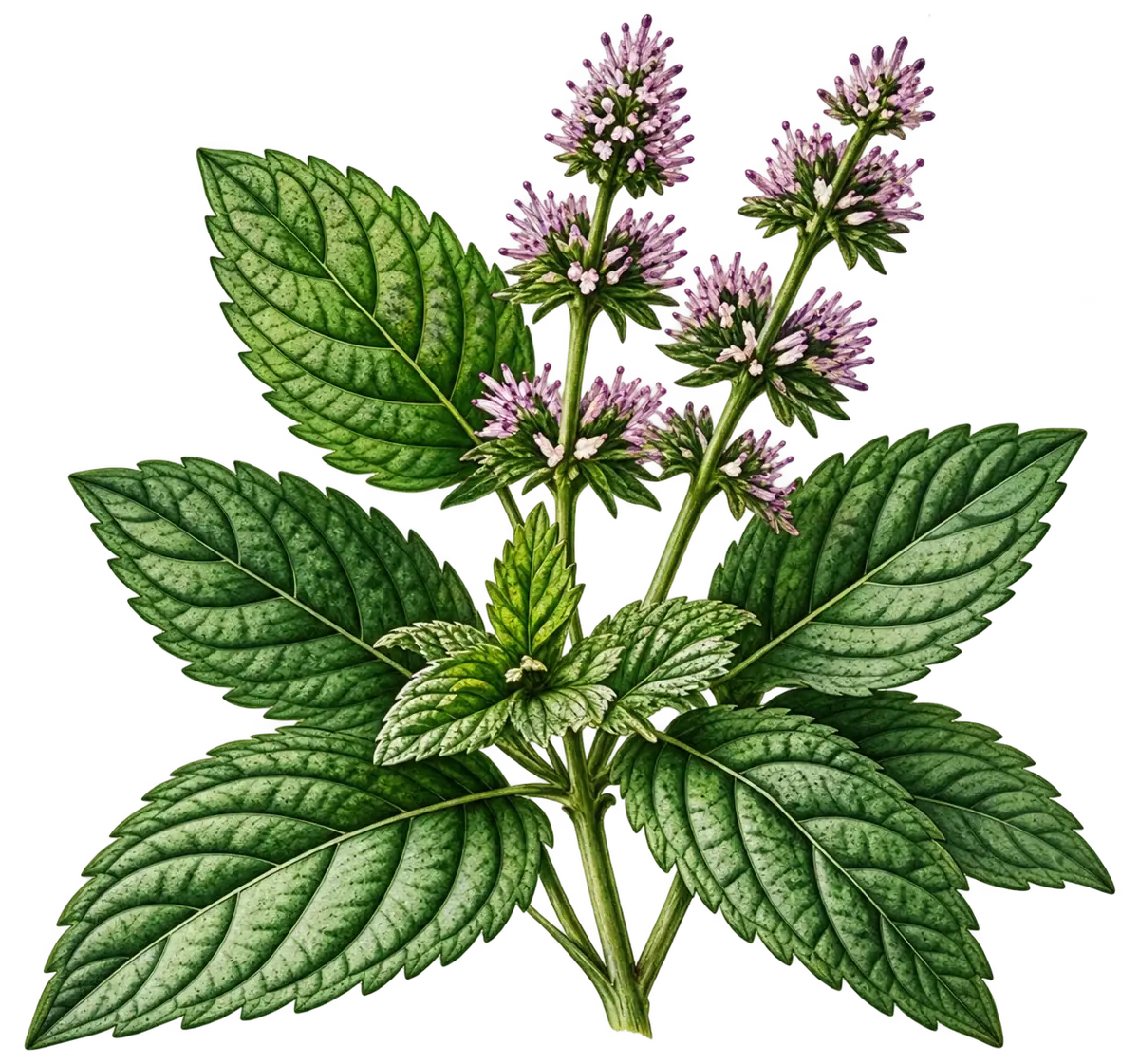
For IBS · compared with the forms shown
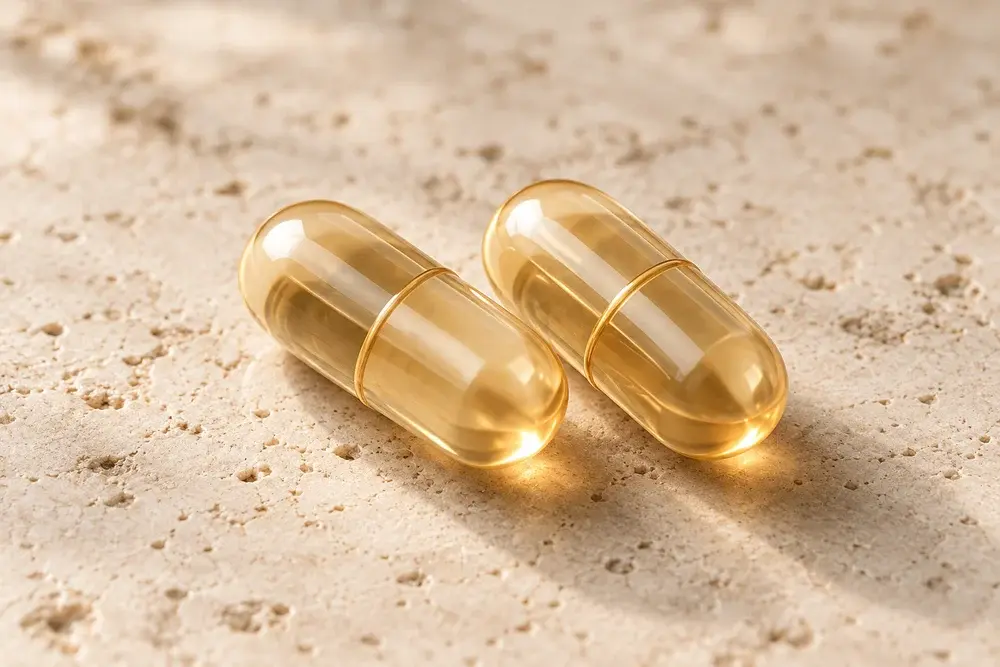
Reviewed for IBS
Oral · enteric-coated
Enteric-coated peppermint-oil capsules may modestly improve IBS symptoms such as abdominal pain, bloating, and gas over the short term. Evidence quality is low and individual trials are mixed; long-term benefit has not been established.
See what the studies foundEnteric-coated peppermint-oil capsules may modestly improve IBS symptoms such as abdominal pain, bloating, and gas over the short term. Evidence quality is low and individual trials are mixed; long-term benefit has not been established.
Clinical researchSome evidence
View the finding and detailsPeppermint oil can cause reflux, heartburn, belching, nausea, abdominal discomfort, and perianal burning. It may be unsuitable for people with significant GERD or hiatal hernia. Do not swallow undiluted essential oil or improvise capsule doses.
View the finding and detailsUse only a labeled oral enteric-coated capsule intended for IBS-type gastrointestinal use. Do not substitute peppermint tea, food, inhalation, topical preparations, or homemade essential-oil capsules. Reassess if symptoms persist and address IBS subtype, diet, fibre, and other established therapies.
View the finding and detailsPeppermint is just one example. Across herbal remedies, preparation, formulation, and intended use can change what the research tells us.
Start with the concern you want to understand. Explore the remedies people use, the preparations researchers have studied, and what the evidence says.
Explore everyday concerns.Explore the plants themselves: their traditional uses, the forms they come in, and what modern research has studied.
Explore the plants, their forms, and their reviewed uses.Mentha x piperita L.
In the reviewed guides
BloatingTraditionally used for gas (flatulence) and mild indigestion, which can come with bloating.
Traditional use
This finding belongs to the form and concern described above.
Zingiber officinale
In the reviewed guides
Menstrual crampsShort-term reduction of cramp pain in primary dysmenorrhea using an oral ginger preparation comparable to those studied around the first days of menstruation.
Clinical researchSome evidence
This finding belongs to the form and concern described above.
In the reviewed guides
Common ColdUsed to try to ease common-cold symptoms, but research has not shown a clear benefit.
Not adequately studied
This finding belongs to the form and concern described above.
How Remedary reads the evidence
A finding names the specific form and concern it applies to. Research on one preparation does not carry over to every other form.
How we weigh evidenceGo a little deeper
Explore all articlesEvidence rarely fits neatly into a yes-or-no answer. Our guides explore the details that help put the research into context.
Evidence Explainer
Some studies found less nausea with ginger. Others found no clear benefit. The products and groups differed, and safety questions remain.
Read the articleIngredient Guide
Use ingredient pages to find the recipe and preparation links already available in the Remedary catalog.
Read the article
My Apothecary
Make Remedary yours. Save the herbal ingredients you already have and see which published preparations you can make now—and which are just one herbal ingredient away.
Keep track of what you have, what you can make, and what’s missing. Check each full recipe for household staples. Being able to make something says nothing about whether it helps.
Build my apothecary